Districts and Suburbs of Paphos
On this page, you will find descriptions of all districts and suburbs of Paphos with photos, distance from the city centre, population and map links. Each area has its own charm - some are close to the sea and beaches, others are peaceful residential neighbourhoods with traditional taverns and sunset cafés. We’ve included useful information about beaches, restaurants, schools, shops and walking areas to help you choose the best district of Paphos for living, holidays or property investment.
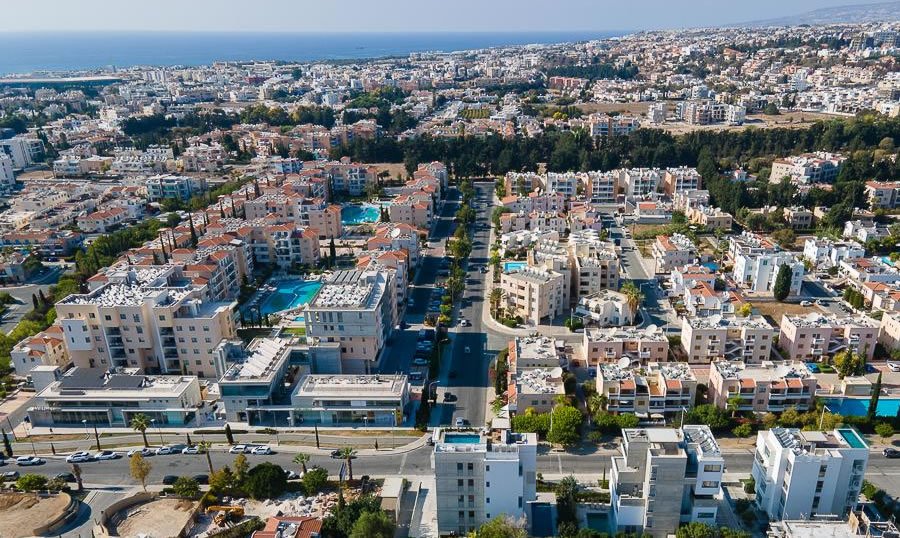
A residential area located to the north-east of the historic centre of Paphos. It is characterised by a calm atmosphere and predominantly low-rise development. The area is convenient for everyday living thanks to its proximity to the city centre, shops and main transport routes. It is often considered a quiet alternative to the more tourist-oriented parts of Paphos. Development in this area is mainly residential and includes apartments, townhouses and private houses, many of which are used for long-term rental or permanent living. The area is commonly seen as a comfortable urban neighbourhood that combines closeness to the city centre, access to essential services and a more peaceful environment compared to Paphos’s tourist districts.
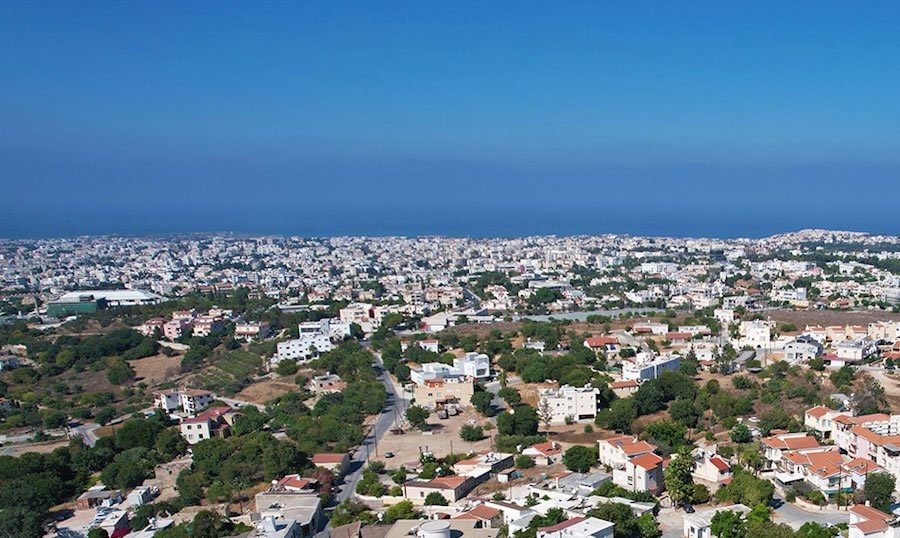
Residential area located just a few minutes’ drive from the centre of Paphos. It is popular among those looking for comfortable living close to urban infrastructure, while enjoying a calmer and more relaxed environment. The area developed on the site of a traditional Cypriot settlement, which is why original stone houses, narrow streets and elements of local architecture have been preserved. The International School of Paphos (ISOP) is located nearby, making the area especially attractive for families with children. A post office and basic everyday amenities are also within close reach, providing convenience for long-term living. The area is well connected to other parts of the city thanks to convenient access to main roads.
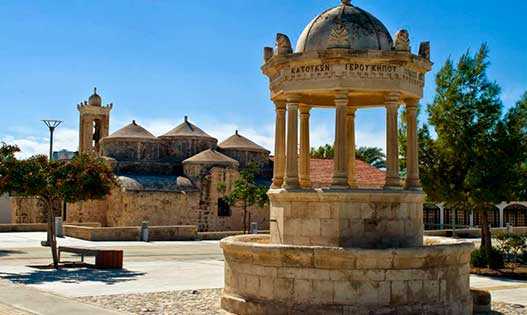
Located in a coastal area, the name translates from Greek as “sacred garden” (“ieros” meaning sacred and “kipou” meaning garden). In Greek mythology, this place is associated with the sacred gardens of the goddess Aphrodite. Local attractions include the impressive pentagonal Byzantine Church of Saint Paraskevi dating back to the 9th century, as well as the Folk Art Museum, which displays items from the 18th to the 20th centuries. Geroskipou is well known for producing traditional loukoumi using a recipe that has remained unchanged for over 100 years. It is also worth visiting one of the local pottery workshops. The area is convenient for living thanks to its developed infrastructure, with schools, shops, cafés and easy access to main roads. Its proximity to the sea and the centre of Paphos makes it popular both for permanent residence and long-term rental.
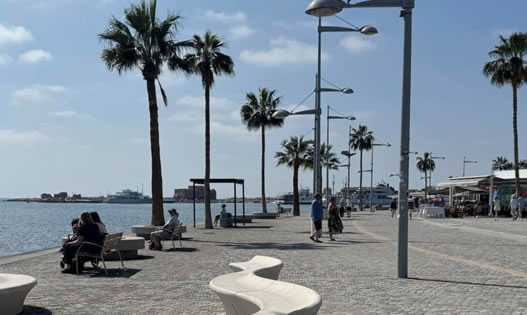
Kato Paphos
The lively seaside part of the city, centred around the harbour and the coastal promenade. It is one of the most popular areas to stay thanks to its beaches, hotels, cafés, taverns and evening atmosphere. Many of Paphos’s key sights are here - the Archaeological Park with ancient mosaics, the harbour castle, and the Church of Panagia Chrysopolitissa with St Paul’s Pillar. The area is ideal for walking: you can follow the waterfront, stop for sea views, and reach landmarks on foot. Kato Paphos suits travellers who want everything nearby - sightseeing, dining, beach time and easy access to transport.
Kissonerga
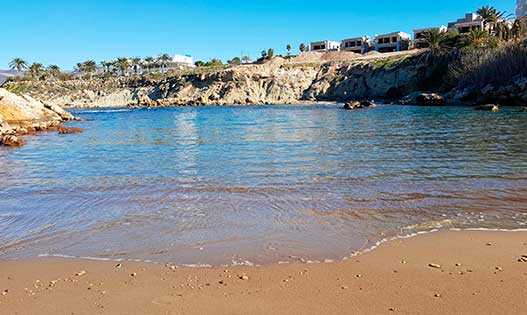
One of the largest villages in the Paphos region. Ktima lowland, where the village is located, is known for its banana plantations. In addition to bananas, watermelons and other seasonal fruits are grown here. As evidenced by archaeological excavations, the history of the settlement begins with the Chalcolithic era. During the excavations of 1960-1980, prehistoric archaeological sites almost 9,000 years old were discovered. Many churches are located on the grounds of Kissonerg. The main church Metamorphoseos tu Sotiros was built in 1908. Agiu Konona is the second largest church, built in 1987. Also in the village are the ruins of a small chapel of Saints Zinovia and Filonilli.
Konia
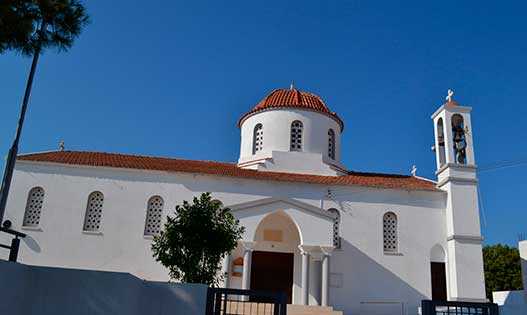
A developing village, built at an altitude of 200 meters above sea level. Located on a mountainside with panoramic views of Paphos. The beautiful nature of these places attracts both tourists and local residents. The settlement is developing quite intensively, new houses and villas appear on the territory. Olive, turpentine, carob trees grow here, mastic pistachio. In the center is the church of St. James. In 1953, an earthquake damaged the church, and later it completely collapsed. In 1981, a new Byzantine-style church was built on the same site. An icon of the Virgin of Chrysoconiotissa was found near the water source. The iconostasis is now located at the site of the find.
Mesa Chorio
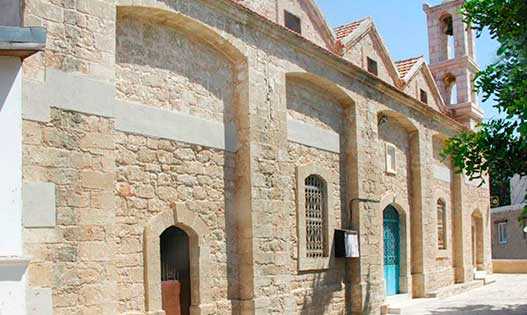
A charming small village in the Paphos area, combining traditional beauty, tranquility of the countryside and the proximity of the infrastructure of the urban centre - Paphos is a short drive away. Mesa Horio is the perfect place to relax. The settlement is located at an altitude of 315 meters, from the outskirts there is a breathtaking view of the surroundings and the coast. Here you can rent comfortable modern housing - a villa or apartments. The village is located 1 km from the village of Mesogi, bordered by the village of Armu. The convenient geographical location makes Mesa Horio an ideal place to start a trip to the surrounding places and archaeological sites of Paphos.
Mesogi
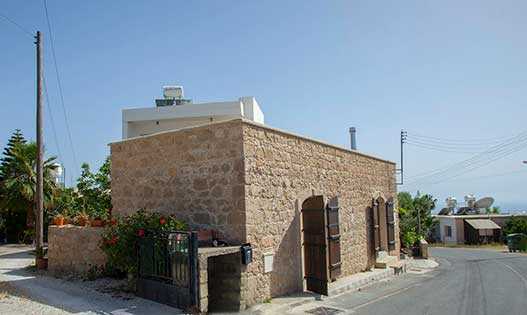
A village in the Paphos District that today is commonly perceived as a residential suburb of the city. It is located on a hillside on the outskirts of Paphos, at an elevation of approximately 140–500 metres above sea level. Due to its position, the area offers views of the coastline and surrounding landscape. Mesogi is considered one of the larger residential areas in this part of the district. One of the main roads runs through the area, providing convenient access to the centre of Paphos and neighbouring districts. The area hosts a wide range of commercial properties and services, including shops, furniture showrooms, construction and plumbing businesses, and courier services. Thanks to its well-developed infrastructure, Mesogi is often chosen by residents who value good transport connections and everyday services close at hand.
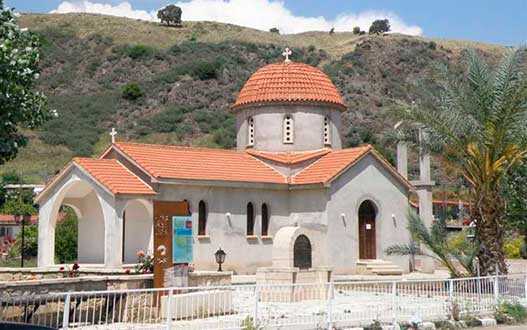
Moutallos
A residential historic quarter located to the northwest of the Old Town of Paphos. Recently, Mutallos has been actively restored and improved. The past and present are organically intertwined here and the influence of both Greek and Turkish cultures is clearly felt. The village square has been turned into a pedestrian zone, a botanical garden has been created, there is a school, a kindergarten, supermarkets, restaurants, cafes, taverns, eateries, souvenir shops. Transport infrastructure is well developed. Opposite the old market is the Jami Kebir Mosque, rebuilt from the three-domed basilica of St. Sophia. At the top of the rock overlooking the village, the chapel of St. George the Victorious. The observation deck next to the chapel offers an impressive view of Kato Paphos and the sea coast.

Paphos
The main urban area of Paphos, bringing together the city’s key residential, administrative and historically established districts. This area concentrates government offices, educational and medical institutions, business areas, shopping streets and everyday infrastructure essential for city life. Urban development combines more modern neighbourhoods with older districts featuring traditional architecture. The area is conventionally divided into upper and lower parts, which differ in layout and functional character, while well-developed transport connections ensure convenient movement between districts.
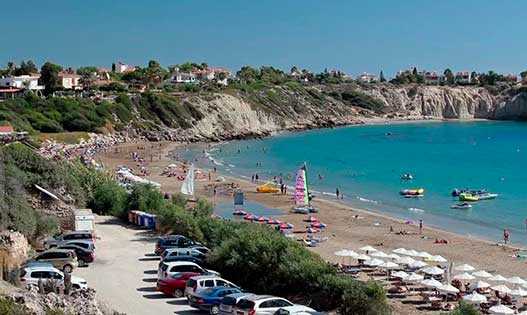
A large village in the southern part of the Akamas Peninsula, located at an elevation of 230 m above sea level. There are many attractions, historical and religious monuments, well-developed infrastructure, magnificent beaches and diving places, traditional bakeries and taverns, fine restaurants, fashionable nightclubs and bars, cozy picnic areas. Worth a visit: Cyprus' only banana plantations, Meleti and Pickney woodlands, Vrisi Ton Peyotisson spring in the central square, Coral Cove, the abandoned islands of Nisaki and Geronisos, Paphos Zoo, Bird's Yard, George Ranch, St. George's Basilica at Cape Drepano, sea caves, EDRO III shipwreck site, Mycenaean Colonization Museum of Cyprus on the Maa Paleokastro Peninsula, Picney Forest Picnic Park. In addition, the Laona-Akamas Wine Route passes through Peya
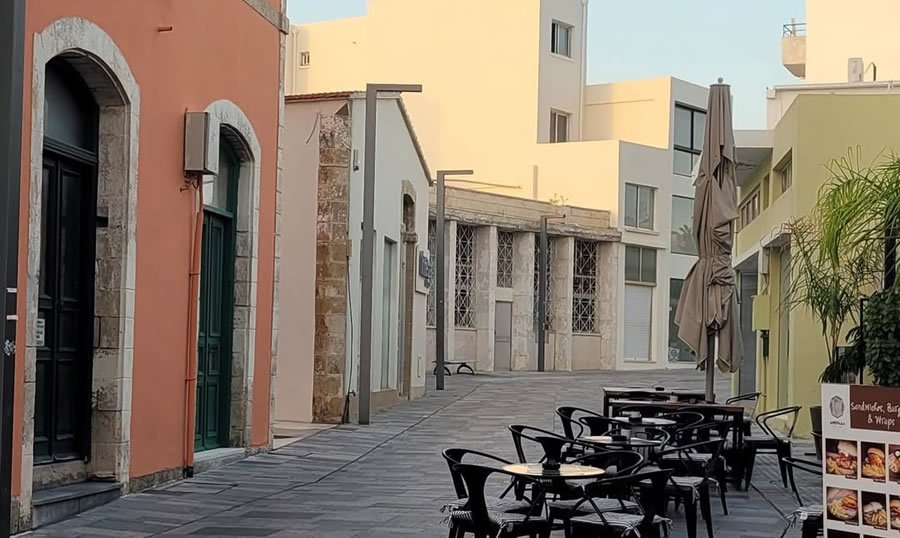
Old Town
The historic city center is a charming place for a complete immersion in the unique atmosphere of Paphos: hiking, exploring attractions and public spaces, visiting workshops, museums and shops, exploring traditional Cypriot cuisine in local cafes. In the center of Old Paphos is the main Kennedy Square. Next to the city garden and municipal park are the buildings of the Public Library and the City Hall, built in the neoclassical architectural style. Archbishop Makarios III Avenue is the main shopping street, along which shops for every taste are concentrated. The Old City Market, built in the 1920s, operates daily. Among religious monuments are the Church of St. Theodoros XIX century. and the Church of St. Kendeas XX century. Also in Old Paphos are archaeological, ethnographic, Byzantine museums and an art gallery.
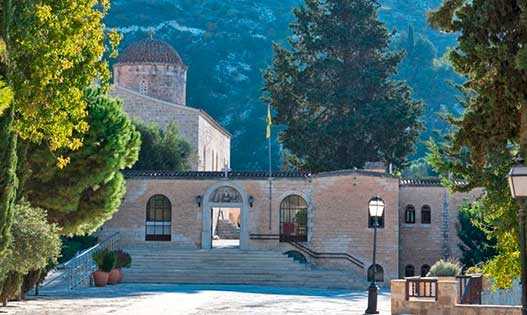
Tala
A large village 6 km north of Paphos is comfortably located on an elevation of 290 m above sea level, surrounded by citrus gardens and olive groves. Impressive views, a comfortable climate, the ability to touch the monuments of antiquity attract tourists and pilgrims from all over the world. The main attraction is the Church of the Nativity of Christ, erected in 2012 by a native of the village, Archbishop Chrysostomos II, the current Primate of the Cypriot Orthodox Church. In Tala there is also an important medieval monument dated to the XV-XVI centuries. - Church of St. Catherine. From the site of the amphitheater of the Municipal Park. Konstantin Leventis opens a magnificent sea panorama. In the vicinity of the village is the monastery of St. Neophyte the Recluse, founded in the XII century. Not far from the monastery there is a Cat Park, where volunteer funds contain about 900 tails.
Timi
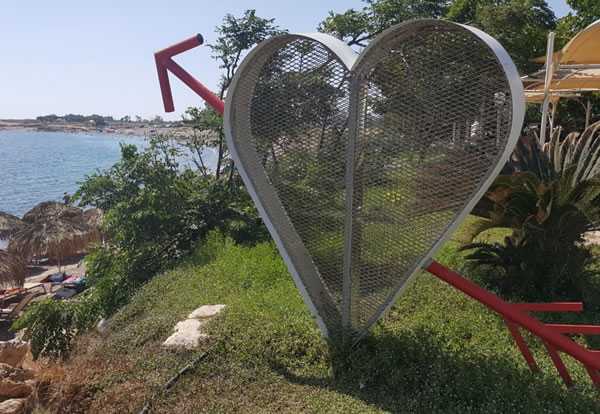
A small village 8 km east of Paphos is in close proximity to the international airport. About one and a half thousand inhabitants live here. However, there is all the necessary infrastructure for a calm and measured rest. The main village church named after the patroness of the settlement of St. Irina, a mosque rebuilt from the Christian Basilica of St. Sophia, a chamber not crowded beach, a convenient picnic area on a picturesque embankment in the shadow of a eucalyptus grove, taverns, a coffee shop, a bakery and cute village houses. On Sundays, a large market is organized in Timi, where you can buy local vegetables and fruits of exceptional freshness, as well as look after all sorts of interesting little things.
Tremythousa
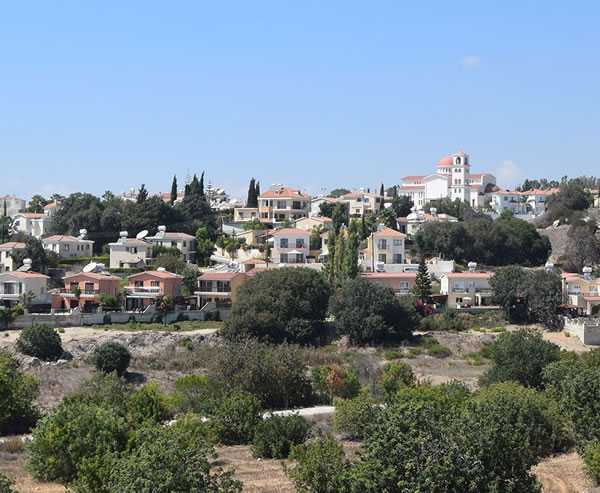
The village is located 3 km from Paphos at an average altitude of 270 meters above sea level. This place is very popular for renting and buying housing. The name was derived from the terpentine tree, as a large number of this tree species occur in the village. She was famous for producing gum from the resin of this tree. The fruit was ground in a mill and made into a traditional oil that was widely used among families. Wine grapes, vegetables, grains, herbs, citrus fruits, almond trees, walnuts and legumes are grown here. On the territory there is an ancient water supply system in which residents of the community collected water for their needs. Main attractions: Church and cave of Saints Riginos and Orestis and St. George, chapel of Hagia Sophia and the prophet Elijah.
Chloraka
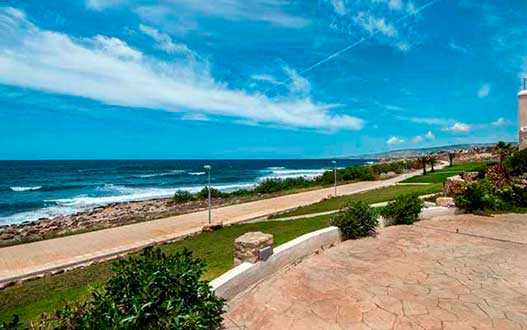
The village of Chloraka is located 3 km north of Paphos, in a valley overlooking the vast expanses of the Mediterranean Sea. These parts have beautiful sandy beaches with clear blue water. Chloraka is considered a great place to buy real estate, there is everything you need - kindergartens and schools, supermarkets, bakeries, cafes, restaurants, banks, pharmacies, a gas station. The first mention of the name Chloraka is found on Venetian maps of 1400. Previously, the village was called Prastiorizo or Praskiuro, which means green tail. The settlement expanded, residents built houses further from the sea, the vegetation in this area was lush; the Greek word "chloros" means green, which is how the village got its name.
Emba
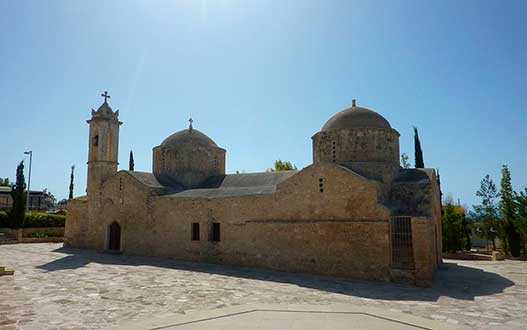
One of the largest villages in the Paphos area. Translated from Greek, the name means "enter." According to legend, this name was given to the village because it is located next to the coast from where travelers set off or arrived in Cyprus by sea. Here is the 12th century church of Panagia Chryselewska, built in the Byzantine style. The walls of the church are covered with religious and historical frescoes. Of particular note is the 16th century carved gilded iconostasis. A 16th-century gospel was found in the church. Within the village is St George's Chapel, a cave chapel and the new St Charalambossa Chapel.
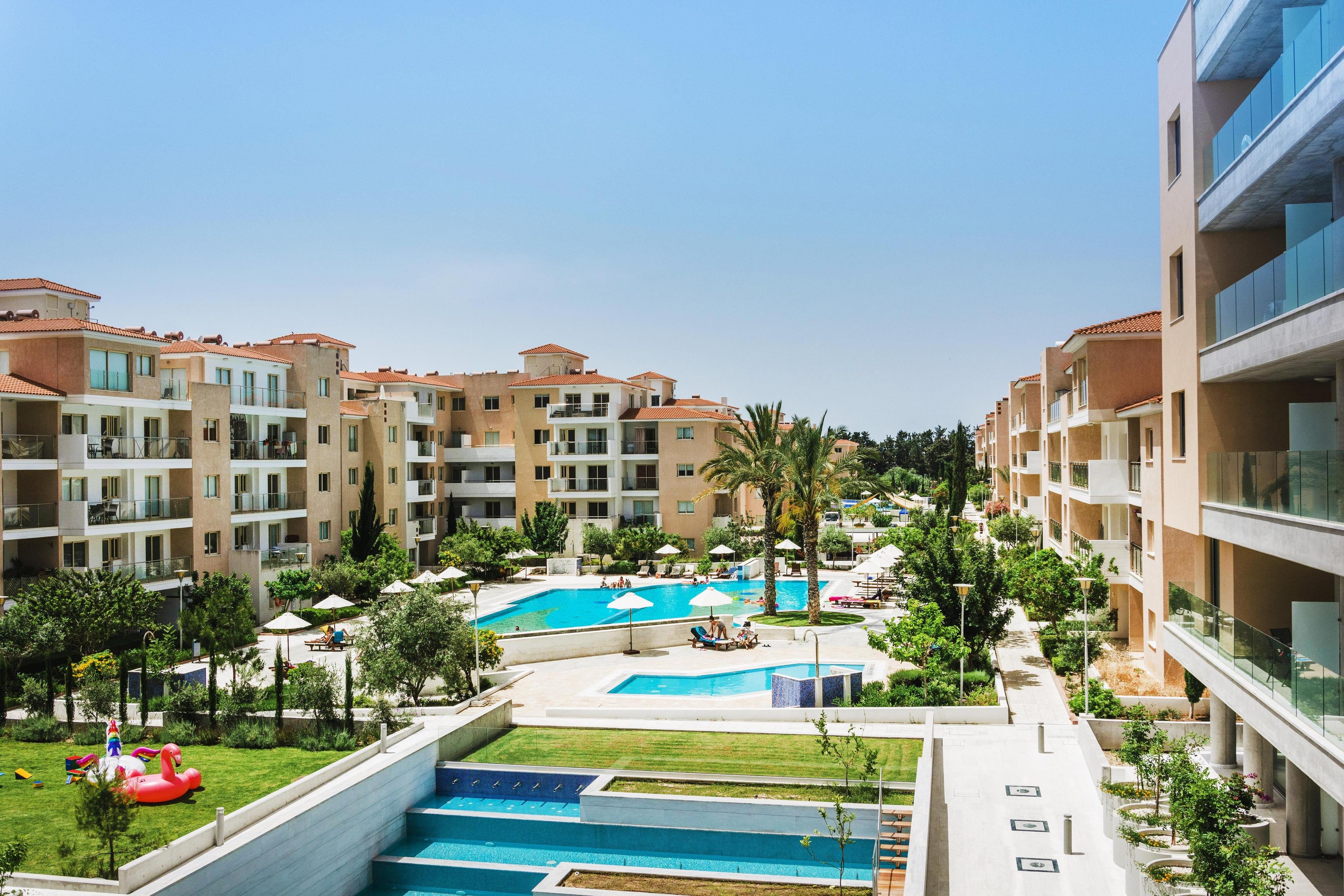
Universal
Densely populated area, built up with modern residential complexes with public pools and gardens, compact and comfortable in terms of transport infrastructure. Located within walking distance from both Lower Paphos, the harbor and the archaeological heritage of the island, as well as Upper Paphos and the old part of the city. It borders Geroskipu from the southeast. Universal combines proximity to the sea and all the benefits of city living. There are schools, a hospital, gyms, landscaped parks, playgrounds, a bistro, a taxi station. In addition, it is easy to get from here by bus anywhere in the city, and the airport is only 20 minutes away.
Sort by: